Embark on a journey to discover the quickest path to becoming a certified personal trainer with NCCA-approved options in the US. This guide is designed to provide insights into the most efficient routes available, ensuring you kickstart your career in fitness without unnecessary delays.
Delve into the details of various certification programs, compare fast-track options, and explore the advantages of online versus in-person training to make an informed decision tailored to your aspirations.
Researching NCCA-Approved Certification Programs
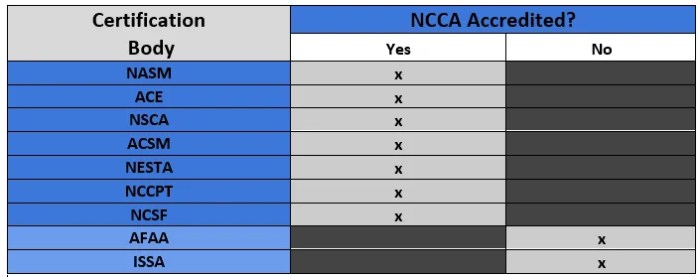
When looking to become a certified personal trainer, it is crucial to ensure that the certification program you choose is NCCA-approved. This accreditation signifies that the certification meets the highest standards of quality and rigor in the industry.
Top NCCA-Approved Certification Programs in the US
- American Council on Exercise (ACE): ACE offers a comprehensive curriculum covering exercise science, program design, and client motivation. The cost ranges from $599 to $799, with an average duration of 3-4 months.
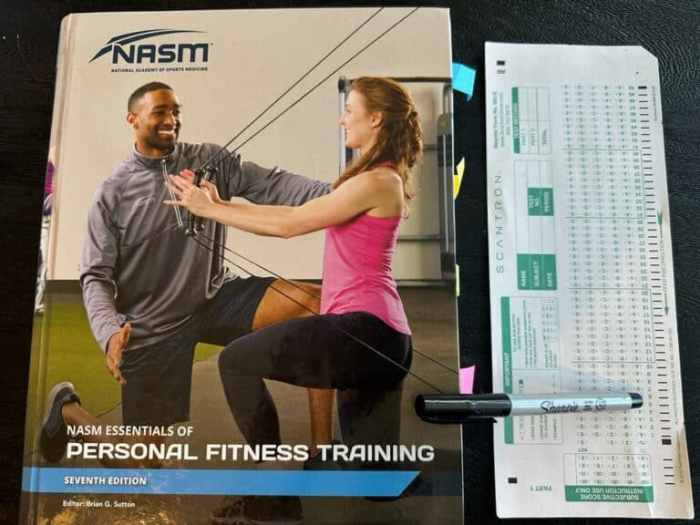
- National Academy of Sports Medicine (NASM): NASM focuses on evidence-based training methods and offers specializations in areas like corrective exercise and performance enhancement. The cost is around $699 to $1999, with an average completion time of 2-6 months.
- American College of Sports Medicine (ACSM): ACSM provides a strong foundation in exercise physiology, nutrition, and fitness assessment. The cost varies from $279 to $349, and the program typically takes 2-3 months to complete.
Fast-Track Options for Certification
When it comes to becoming a certified personal trainer quickly, there are accelerated certification programs that can help you achieve your goal in a shorter amount of time compared to traditional programs. These fast-track options are designed for individuals who are looking to enter the fitness industry promptly.
Intensive Training Courses
Intensive training courses are one example of fast-track certification programs that can help you become a certified personal trainer in a matter of weeks rather than months. These programs often involve full-time training schedules with a focus on covering the essential knowledge and skills needed to pass the certification exam.
- Pros:
- Quick completion time: Intensive programs allow you to obtain your certification in a shorter timeframe.
- Immersive learning experience: The concentrated nature of these courses can provide a deep understanding of the material.
- Cons:
- High intensity: The fast-paced nature of these programs can be challenging for some individuals.
- Potential for information overload: Due to the condensed curriculum, there may be a lot of information to absorb in a short period.
Online vs. In-Person Certification
When deciding between online or in-person certification for becoming a personal trainer, there are several factors to consider to ensure you choose the option that best fits your needs
Flexibility and Credibility of Online Certification
- Online certification courses offer flexibility in terms of when and where you can study. This is ideal for individuals with busy schedules or those who prefer to learn at their own pace.
- Despite being online, NCCA-approved certification options can still be credible and recognized within the fitness industry. It's essential to verify the accreditation of the program to ensure it meets industry standards.
- Online certifications often require passing exams and completing practical assessments to demonstrate your knowledge and skills. This ensures that you are adequately prepared to work as a certified personal trainer.
Choosing Between Online and In-Person Training
- Consider your learning style and preferences. If you thrive in a traditional classroom setting with face-to-face interactions, an in-person certification program might be more suitable for you.
- Evaluate your schedule and availability. Online courses offer flexibility, but you must have the discipline to manage your time effectively and stay motivated throughout the program.
- Assess the resources and support provided by the certification program. In-person training may offer hands-on experience and immediate feedback, while online courses may provide virtual support and resources.
Practical Experience and Internship Opportunities
Practical experience is a crucial component in the journey to becoming a certified personal trainer. It allows aspiring trainers to apply their knowledge in real-world scenarios, develop essential skills, and gain confidence in working with clients.
Internship Opportunities
NCCA-approved certification programs often provide internship opportunities for students to gain hands-on experience. These internships allow trainees to work under the guidance of experienced trainers, observe sessions, and even lead training sessions themselves under supervision.
- Internships offer a chance to practice client assessment, program design, and implementation in a real fitness setting.
- Working with diverse clients during internships helps trainers develop effective communication and interpersonal skills.
- Internships can lead to potential job opportunities post-certification, as many facilities prefer hiring trainers with practical experience.
Last Recap
As we wrap up our exploration of the fastest ways to become a certified personal trainer, remember that the key to success lies in choosing the right path that aligns with your goals and preferences. By opting for NCCA-approved options and leveraging practical experience, you can pave the way for a rewarding career in the fitness industry.
Answers to Common Questions
How important is NCCA approval for personal trainer certification?
NCCA approval signifies that a certification program meets industry standards and is recognized by employers, enhancing your credibility as a personal trainer.
What are some examples of intensive training courses for quick certification?
Examples include weekend boot camps, accelerated workshops, and condensed study programs tailored for rapid certification.
How can hands-on experience enhance a trainer's skills?
Practical experience allows trainers to apply theoretical knowledge in real-world scenarios, improving their competency and confidence in guiding clients.