
Exploring the world of virtual personal training, this article delves into the effectiveness of 1-on-1 online sessions for weight loss clients in the US. Prepare to uncover the benefits and challenges of this innovative approach.
Introduction to Virtual Personal Training

Virtual personal training is a modern approach to fitness coaching that allows clients to work with a personal trainer remotely through online sessions. These sessions differ from traditional, in-person training by leveraging technology to provide personalized workouts, nutrition guidance, and accountability from the comfort of your own home.
Benefits of Virtual Personal Training for Weight Loss Clients
- Convenience: Clients can access workouts and coaching from anywhere, eliminating the need to commute to a gym.
- Flexibility: Online sessions can be scheduled at times that work best for the client, fitting into busy schedules more easily.
- Cost-Effective: Virtual training often comes at a lower price point compared to traditional in-person sessions, making it more accessible to a wider range of clients.
- Personalized Attention: Trainers can still provide individualized programs and support, tailoring workouts to the client's specific goals and needs.
- Accountability: Regular check-ins and progress tracking help clients stay motivated and on track with their weight loss journey.
Pros of 1-on-1 Online Sessions for US Weight Loss Clients
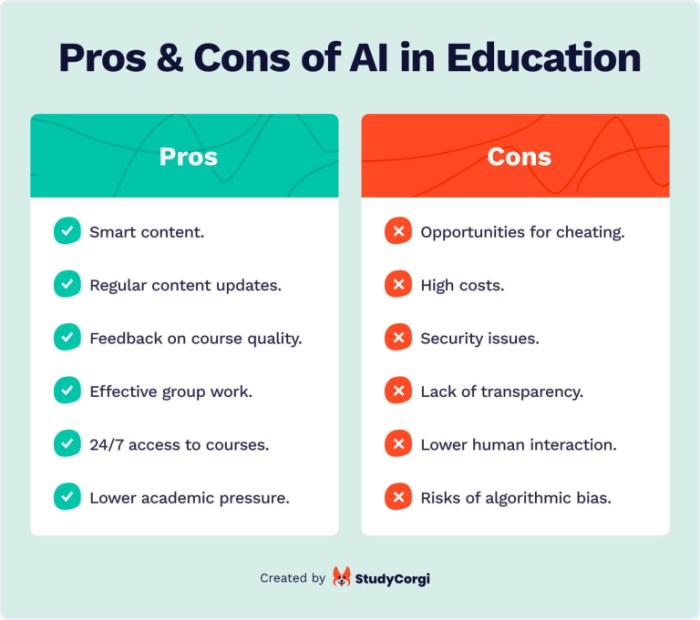
Online personal training offers numerous benefits for weight loss clients in the US. From flexibility in scheduling to personalized attention, virtual sessions provide a convenient and effective way to achieve fitness goals.
Flexibility in Scheduling
- Virtual personal training allows clients to schedule sessions at their convenience, eliminating the need to commute to a physical gym.
- Clients can easily fit in workouts around their busy schedules, making it easier to stay consistent and committed to their fitness routine.
Access from Anywhere
- Clients have the flexibility to access their training sessions from anywhere with an internet connection, whether at home, work, or on the go.
- This accessibility eliminates barriers to working out, making it easier for clients to stay on track with their weight loss journey.
Personalized Attention
- Despite being virtual, one-on-one online sessions allow trainers to provide personalized attention to each client.
- Trainers can tailor workouts and nutrition plans to suit individual goals and needs, ensuring optimal progress and results for clients.
Cons of 1-on-1 Online Sessions for US Weight Loss Clients
When it comes to virtual personal training for weight loss clients in the US, there are some drawbacks that need to be considered. These cons can impact the overall effectiveness of online sessions and the ability to achieve desired fitness goals.
Challenges of Lack of Physical Presence
One of the main disadvantages of 1-on-1 online sessions is the lack of physical presence. Without being physically present, trainers may find it challenging to correct clients' form or provide real-time feedback on their exercises. This can lead to a higher risk of injury or performing exercises incorrectly, ultimately hindering progress towards weight loss goals.
Limitations in Equipment Availability
Another issue that may arise in virtual personal training is the limited access to equipment for clients. While some individuals may have a home gym setup, others may lack the necessary equipment to fully engage in certain exercises. This can limit the variety of workouts that can be performed and may impact the overall effectiveness of the training program.
Concerns about Effectiveness for Certain Clients
Not all clients may benefit equally from online personal training sessions. Some individuals may struggle with motivation or accountability when working out remotely, leading to inconsistent participation and potentially slower progress towards weight loss goals. Additionally, clients with specific health concerns or physical limitations may require more personalized attention and guidance, which can be challenging to provide solely through virtual sessions.
Best Practices for Maximizing 1-on-1 Online Training

When it comes to virtual personal training, there are specific best practices that can help maximize the effectiveness of 1-on-1 online sessions. From setting achievable goals to creating engaging workouts, here are some strategies to consider:
Design Effective Strategies for Goal Setting in Virtual Sessions
Setting clear and achievable goals is essential for success in any training program. In the virtual setting, it is important to work closely with the client to establish specific, measurable, attainable, relevant, and time-bound (SMART) goals. By understanding the client's individual needs and preferences, trainers can tailor the program to ensure progress and motivation.
Regularly reviewing and adjusting these goals as needed will help keep the client on track and motivated throughout the online training sessions.
Organize Tips for Creating Engaging and Interactive Online Workouts
Engagement is key to the success of virtual training sessions. To keep clients motivated and focused during online workouts, trainers should incorporate a variety of exercises, tools, and techniques to make the sessions interactive and enjoyable. Utilizing video demonstrations, incorporating music, and implementing real-time feedback can enhance the overall experience for the client.
Additionally, encouraging client participation, asking for feedback, and providing positive reinforcement can help create a supportive and engaging virtual training environment.
Provide Suggestions for Monitoring Progress and Adjusting Programs Remotely
Monitoring progress and making adjustments to programs remotely require effective communication and tracking tools. Trainers should utilize progress tracking software, video conferencing platforms, and regular check-ins to monitor the client's progress and performance. By analyzing data, feedback, and client responses, trainers can make informed decisions about program adjustments, modifications, and progress updates.
Providing continuous support, encouragement, and guidance remotely will help clients stay motivated and committed to their weight loss goals.
Last Recap
In conclusion, virtual personal training offers a unique way to achieve fitness goals, but it's essential to weigh the pros and cons carefully. With the right strategies and commitment, online sessions can indeed work wonders for US weight loss clients.
Questions Often Asked
Do online sessions provide the same level of accountability as in-person training?
While the accountability may differ, many clients find virtual sessions equally effective with the right support and communication.
Are there specific equipment requirements for participating in online training sessions?
Most virtual personal training sessions can be tailored to work with minimal equipment, but having some basic items like dumbbells or resistance bands can enhance the experience.
Can online personal trainers effectively monitor progress and make adjustments to programs?
Yes, with regular check-ins, progress tracking tools, and clear communication, online trainers can effectively monitor progress and adjust programs as needed.