
Exploring the realm of Personal Trainer Client Management Apps in 2026 brings forth a landscape of innovation and efficiency. This article delves into the evolution of these apps, their key features, and pricing strategies, providing a comprehensive guide for trainers and fitness enthusiasts alike.
Overview of Personal Trainer Client Management Apps in 2026
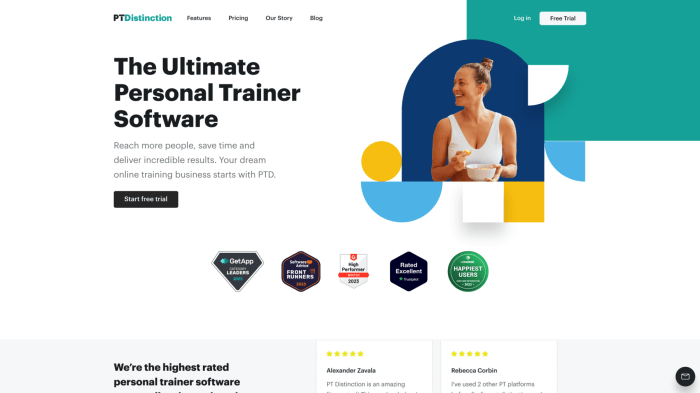
Personal Trainer Client Management Apps have come a long way since their inception, revolutionizing the way trainers interact with their clients and manage their businesses. These apps provide a centralized platform for scheduling sessions, tracking progress, and communicating with clients efficiently.
Over the years, these apps have evolved to offer a wide range of features, including workout planning, nutrition tracking, progress analytics, client assessments, and more. The pricing structures have also adapted to cater to the varying needs of trainers, with options for individual trainers, small studios, and large fitness centers.
In 2026, the significance of client management apps for trainers cannot be overstated. With the fitness industry becoming increasingly competitive, these apps play a crucial role in helping trainers streamline their operations, enhance client engagement, and ultimately grow their businesses.
Evolution of Features and Pricing Structures
- Initially, client management apps offered basic features like scheduling and client profiles.
- Over time, more advanced features were introduced, such as workout templates, progress tracking, and client communication tools.
- In 2026, these apps now incorporate AI-driven analytics, personalized workout recommendations, and integration with wearable devices.
Significance of Client Management Apps for Trainers in 2026
- Client management apps enable trainers to provide a more personalized experience for their clients, leading to better results and retention rates.
- These apps help trainers optimize their time and resources, allowing them to focus on what they do best – training clients.
- By leveraging data and analytics, trainers can make informed decisions to tailor their services and maximize client satisfaction.
Comparison of Top Personal Trainer Client Management Apps

In the competitive landscape of personal trainer client management apps, it's essential to compare the top players based on pricing, features, and user reviews to determine which one best suits your needs.
Top 5 Apps Comparison
- App 1:This app offers a comprehensive set of features at a mid-range price point. Users praise its intuitive interface and robust client management tools.
- App 2:Known for its affordability, this app caters to budget-conscious trainers without compromising on essential features. However, some users report occasional glitches in the system.
- App 3:Positioned as a premium solution, this app boasts advanced analytics and customization options. Users appreciate its attention to detail but note that it may be overwhelming for beginners.
- App 4:With a focus on automation, this app streamlines client communication and scheduling. Users highlight its time-saving benefits but mention limitations in certain customization features.
- App 5:Targeting small-scale trainers, this app offers a simple yet effective client management system. Users commend its user-friendly design but express the need for more advanced features.
Unique Selling Points
- App 1:Customizable client profiles and detailed progress tracking.
- App 2:Integrated payment processing and automated reminders.
- App 3:Personalized client assessments and goal-setting tools.
- App 4:AI-driven insights and predictive scheduling capabilities.
- App 5:Seamless client onboarding and intuitive workout planning.
Pros and Cons Analysis
| App | Pros | Cons |
|---|---|---|
| App 1 | Comprehensive features | Mid-range pricing |
| App 2 | Affordable pricing | Occasional glitches |
| App 3 | Advanced analytics | Steep learning curve |
| App 4 | Time-saving automation | Customization limitations |
| App 5 | User-friendly design | Limited advanced features |
Emerging Trends in Client Management Apps for Personal Trainers
In the ever-evolving landscape of client management apps for personal trainers, several emerging trends are shaping the way trainers interact with their clients and manage their businesses efficiently.
Integration of AI and Machine Learning
One of the most significant trends in client management apps is the integration of artificial intelligence (AI) and machine learning algorithms. These technologies enable apps to analyze data, predict client behavior, and provide personalized recommendations to trainers.
- AI-powered scheduling algorithms help trainers optimize their calendars based on client preferences and availability, reducing scheduling conflicts.
- Machine learning algorithms can track client progress and provide insights to trainers on adjustments needed in workout routines or nutrition plans.
- Automated messaging systems powered by AI can send reminders, motivational messages, and follow-ups to clients, enhancing engagement and accountability.
Impact of Wearable Technology Integration
Another significant trend is the integration of wearable technology into client management apps, allowing trainers to track and monitor their clients' progress in real-time.
- Wearable devices such as fitness trackers, heart rate monitors, and smartwatches can sync data directly to the client management app, providing trainers with up-to-date information on their clients' activity levels and performance.
- Trainers can use this data to tailor workout plans, set goals, and monitor progress more effectively, leading to more personalized training experiences for clients.
- Integration of wearable technology also enables trainers to provide instant feedback and adjustments during workouts, ensuring clients get the most out of their training sessions.
Pricing Models of Personal Trainer Client Management Apps
In the realm of personal trainer client management apps, pricing models play a crucial role in determining the accessibility and affordability of these tools for fitness professionals. Let's explore how different apps structure their subscription-based pricing models and the value they offer to users.
Subscription-Based Pricing Models
- App A: App A offers a tiered subscription model, with different levels of access based on the price paid. The basic plan includes essential client management features, while the premium plan unlocks advanced analytics and marketing tools for a higher fee.
- App B: App B follows a flat-rate monthly subscription model, providing all features to users regardless of the pricing tier. This simplicity appeals to users looking for a comprehensive solution without the complexity of multiple plans.
- App C: App C adopts a freemium model, offering a basic version of the app for free with limited features. Users can then opt for premium add-ons such as automated client reminders, workout templates, and customization options at an additional cost.
Understanding the pricing structures of these apps helps personal trainers make informed decisions based on their specific needs and budget constraints.
Last Recap
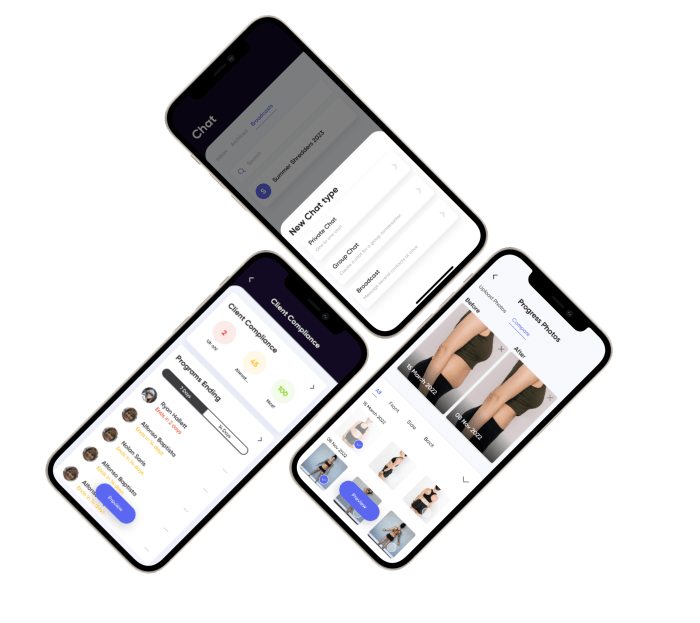
As we wrap up our journey through the realm of Personal Trainer Client Management Apps in 2026, it's evident that the future holds exciting possibilities for trainers and clients alike. With advanced features, competitive pricing, and a focus on user experience, these apps are set to revolutionize the fitness industry.
Q&A
What are the key features to look for in a Personal Trainer Client Management App?
Key features to consider include client scheduling, workout tracking, progress monitoring, and communication tools for seamless client-trainer interaction.
Do these apps offer customizable workout plans?
Yes, many apps provide the option to create personalized workout plans tailored to each client's goals and fitness levels.
Are there any free options available for Personal Trainer Client Management Apps?
While some apps offer basic features for free, most comprehensive apps with advanced functionalities come with a subscription fee.